Many people avoid professional teeth cleaning because they believe that scaling can make their teeth loose. Some people also think that scaling creates gaps between teeth or damages the gums. But are these beliefs really true?
The truth is that professional teeth scaling does not make healthy teeth loose. Instead, it helps remove plaque and hardened tartar that can damage your gums and affect your oral health.
If you are planning to visit a dental clinic in Indore for teeth cleaning, it is important to understand what scaling does, why people sometimes feel their teeth are loose after the procedure, and how it helps protect your smile.
What Is Teeth Scaling?
Teeth scaling is a professional dental cleaning procedure that removes plaque, tartar, and bacteria from the surfaces of your teeth and around the gumline.
Plaque is a soft, sticky layer of bacteria that develops on teeth every day. When you do not remove it properly through brushing and flossing, it can harden into tartar. Once tartar forms, regular brushing cannot remove it completely.
A dentist uses special dental instruments or an ultrasonic scaler to remove these deposits safely.
If you are searching for a dental clinic in Indore, understanding this simple procedure can help you take better care of your teeth and gums.
Does Teeth Scaling Make Your Teeth Loose?
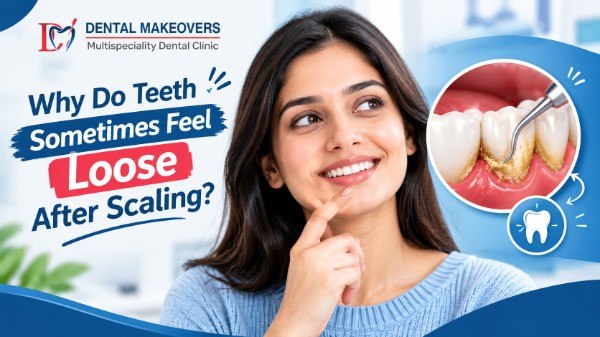
No, teeth scaling does not make healthy teeth loose. This is one of the most common myths about professional dental cleaning.
Sometimes, people notice that their teeth feel slightly different after scaling. This usually happens because hardened tartar was covering the spaces around their teeth. When the tartar is removed, these areas become visible again.
In some cases, the gums may already have been damaged by gum disease. The teeth may have become loose before the cleaning procedure, but the problem was hidden by the tartar deposits.
Scaling removes the deposits but does not cause the underlying gum damage.
Visiting the best dental professionals at a dental clinic in Indore can help you understand whether your teeth are healthy or if you need additional gum treatment.
Why Do Teeth Sometimes Feel Loose After Scaling?
There are a few reasons why your teeth may feel different after professional cleaning.
1. Removal of Hardened Tartar
When tartar builds up around your teeth, it can fill the spaces between them. After scaling, these spaces become clear.
This may make your teeth feel slightly different or more exposed. However, the cleaning procedure has not created new gaps or loosened healthy teeth.
2. Existing Gum Disease
Gum disease is one of the major reasons for loose teeth in adults. It can damage the gums and the bone that support your teeth.
When tartar stays on your teeth for a long time, it can contribute to gum inflammation and periodontal disease.
If you already have gum problems, your dentist may recommend deep cleaning along with other treatments.
3. Reduced Gum Swelling
When gums are swollen because of plaque and tartar, they may cover some areas around your teeth.
After professional cleaning, inflammation can gradually reduce. As the gums become healthier, the teeth may look slightly longer or the spaces between them may become more noticeable.
This is not a sign that scaling has damaged your teeth.
Common Myths vs Facts About Teeth Scaling
Many people have doubts about scaling because of incorrect information. Let’s understand some common myths and the facts behind them.
Myth 1: Scaling Makes Teeth Loose
Fact: Scaling does not loosen healthy teeth. It removes plaque and tartar that can contribute to gum disease. Existing tooth mobility may become more noticeable after cleaning.
Myth 2: Scaling Creates Gaps Between Teeth
Fact: Scaling does not create gaps. Tartar may fill existing spaces between teeth. Once removed, those spaces become visible.
Myth 3: Scaling Damages Tooth Enamel
Fact: Professional scaling performed correctly by a trained dental professional is designed to remove deposits without damaging healthy enamel.
Myth 4: Teeth Become Yellow After Scaling
Fact: Scaling removes tartar and some external stains. Your natural tooth colour may become more visible after cleaning. It does not normally make healthy teeth yellow.
Myth 5: Scaling Is Needed Only When Teeth Look Dirty
Fact: Plaque and tartar can collect in areas that are difficult to see. Regular dental check-ups help identify deposits and gum problems before they become serious.
If you still have concerns, a dental clinic in Indore can examine your teeth and explain whether professional cleaning is required.
What Are the Benefits of Professional Teeth Scaling?
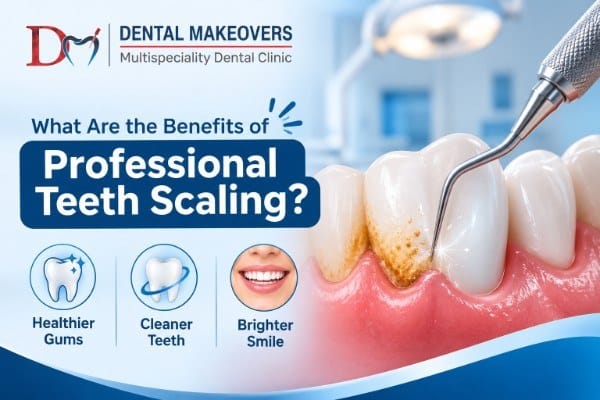
Professional teeth cleaning is an important part of maintaining good oral health. It helps remove deposits that regular brushing cannot remove once they have hardened.
Here are some important benefits:
- Removes tartar: Helps clean hardened deposits from tooth surfaces and around the gumline.
- Supports healthy gums: Reduces the buildup of plaque and bacteria that contribute to gum inflammation.
- Helps reduce bad breath: Removes trapped deposits that can contribute to unpleasant mouth odour.
- Removes some surface stains: Helps reduce certain stains caused by tea, coffee, and other foods.
- Supports preventive care: Helps your dentist identify early signs of gum problems and other dental conditions.
Regular professional cleaning at a dental clinic in Indore can help you maintain cleaner teeth and healthier gums.
Is Teeth Scaling Painful?
For most people, routine teeth scaling is not painful. However, you may feel slight discomfort or sensitivity during the procedure, especially if you have swollen gums, heavy tartar deposits, or exposed tooth roots.
If you already have sensitive teeth, inform your dentist before starting the cleaning procedure.
People with advanced gum disease may need deep cleaning, also called scaling and root planing. This procedure cleans below the gumline and may require local anaesthesia to keep you comfortable.
Your dentist will choose the cleaning method according to your gum condition.
How Often Should You Get Teeth Scaling?
The frequency of professional teeth cleaning depends on your oral health.
Many people benefit from a dental cleaning every six months. However, people with gum disease, heavy tartar buildup, diabetes, or other risk factors may need more frequent visits.
Your dentist can suggest the right schedule after examining your teeth and gums.
If you have not had a professional cleaning for a long time, visiting a dental clinic in Indore can help you understand your current oral health condition.
How to Take Care of Your Teeth After Scaling?
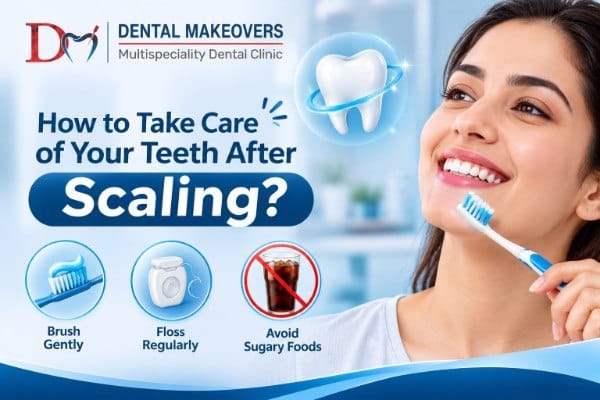
After professional cleaning, it is important to maintain good oral hygiene to prevent plaque and tartar from building up again.
Follow these simple habits:
- Brush your teeth twice daily with fluoride toothpaste.
- Use a soft-bristled toothbrush.
- Clean between your teeth daily using dental floss or interdental brushes.
- Drink enough water throughout the day.
- Limit sugary foods and frequent snacking.
- Avoid tobacco products.
- Follow your dentist’s advice for regular dental check-ups.
If you experience sensitivity after scaling, use a toothpaste designed for sensitive teeth as recommended by your dentist.
When Should You Visit a Dentist?
Do not ignore symptoms such as bleeding gums, persistent bad breath, gum swelling, or teeth that feel loose.
These signs may indicate gum disease or another dental problem that needs professional attention.
If your teeth are already loose, your dentist may examine your gums, measure the spaces around your teeth, and recommend dental X-rays when needed to check the supporting bone.
At Dental Makeovers, patients can discuss their oral health concerns and understand suitable cleaning and gum care options.
Choosing a dental clinic in Indore with qualified dental professionals and proper diagnostic facilities can help you receive appropriate care for your teeth and gums.
Conclusion
Teeth scaling is a safe and important dental cleaning procedure when performed by a trained dental professional. It does not make healthy teeth loose or create new gaps between them.
In fact, removing plaque and tartar helps protect your gums and reduces the risk of gum disease. If your teeth feel loose after scaling, it may be due to an existing gum problem that needs attention.
Do not avoid professional cleaning because of common myths. Regular dental check-ups, proper brushing, and professional cleaning can help you maintain a healthy smile for years.
If you are looking for a dental clinic in Indore, Dental Makeovers can help you understand your oral health needs and suitable dental care options.
Frequently Asked Questions (FAQs)
1. Does teeth scaling make teeth loose permanently?
No. Professional scaling does not permanently loosen healthy teeth. If teeth are already loose, the cause may be existing gum disease or bone loss that needs dental evaluation.
2. Can scaling remove yellow stains from teeth?
Scaling can remove tartar and some external stains caused by tea, coffee, and food. However, deeper or internal tooth discolouration may require other treatments.
3. Is teeth scaling safe for sensitive teeth?
Yes. Scaling is generally safe for sensitive teeth. You may experience temporary sensitivity, but your dentist can adjust the procedure and recommend suitable care.
4. How long does teeth scaling take?
Routine scaling usually takes around 30–60 minutes, depending on the amount of tartar and the condition of your gums. Deep cleaning may require more time or multiple appointments.
5. How often should I get professional teeth cleaning?
Many people need professional cleaning every six months. However, your dentist may recommend a different schedule depending on your gum health and tartar buildup.
6. Can I eat immediately after teeth scaling?
In most cases, yes. You can eat after routine scaling when you feel comfortable. If fluoride treatment or other procedures are performed, follow your dentist’s specific instructions.
7. How do I choose a dental clinic in Indore for teeth scaling?
Choose a clinic with qualified dental professionals, proper cleaning equipment, good hygiene practices, and clear explanations of your oral health condition. A consultation can help you understand the treatment you need.