Root canal treatment is often associated with older adults. But today, many young people are also experiencing deep cavities, tooth infections, cracks, and severe tooth pain that may require root canal treatment.
This does not mean that every young adult will need a root canal. However, certain everyday habits and delayed dental care can allow a small dental problem to become much more serious.
A cavity that could have been treated with a simple filling may eventually reach the inner part of the tooth. Once the pulp becomes severely inflamed or infected, root canal treatment may be needed to save the tooth.
If you are looking for the Best root canal treatment in Indore, understanding why these problems happen is the first step toward protecting your natural teeth.
What Is Root Canal Treatment?
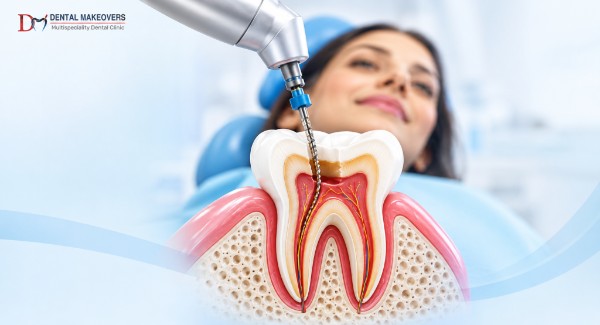
Inside every tooth is a soft tissue called the dental pulp. It contains nerves and blood vessels. When deep decay, cracks, repeated dental procedures, or an injury damages this area, the pulp can become inflamed or infected.
Root canal treatment removes the damaged or infected pulp, cleans and disinfects the inside of the tooth, and then seals it. The tooth can then be restored so it can continue to function.
The main aim is not simply to stop pain. It is to save the natural tooth whenever possible.

Why Are Young Adults Facing This Problem?
There is no single reason why a young adult may need a root canal. Usually, it is a combination of dental problems, habits, and delayed treatment.
1. Ignoring Small Cavities
A small cavity may not hurt at first. This is one reason people often ignore it.
As decay gets deeper, it can move closer to the pulp. Once the infection reaches the inner part of the tooth, treatment becomes more complicated.
Regular dental check-ups can help identify cavities before they become deep infections.
2. Too Much Sugar and Frequent Snacking
Young adults often have busy schedules. Coffee, soft drinks, packaged snacks, chocolates, desserts, and frequent snacking can become part of daily life.
The issue is not only how much sugar you consume but also how frequently your teeth are exposed to it. Poor oral hygiene combined with frequent sugary foods and drinks can increase the risk of tooth decay.
Over time, untreated decay can reach the pulp and lead to the need for root canal treatment.
3. Delaying Dental Visits
This is one of the biggest problems.
A person may notice sensitivity while drinking something cold or occasional pain while eating. Instead of getting it checked, they may wait for the discomfort to disappear.
Sometimes the pain does disappear—but that does not necessarily mean the problem is gone.
If decay or pulp damage continues, the tooth can eventually develop severe pain, swelling, or infection.
4. Cracked or Injured Teeth
Young adults can also experience dental injuries from sports, accidents, falls, or other physical trauma.
A tooth does not always need to be visibly broken for the pulp to become damaged. Trauma can affect the pulp even when there is no obvious crack or chip.
A cracked tooth should therefore be examined rather than ignored.
5. Grinding and Excessive Pressure
Some people grind or clench their teeth, particularly during sleep or periods of stress.
Over time, excessive pressure can contribute to tooth wear, cracks, and other dental problems. If you regularly wake up with jaw discomfort, tooth sensitivity, or notice worn or damaged teeth, discuss it with your dentist.
Warning Signs You Should Not Ignore
Knowing the early warning signs can help you seek treatment before the problem becomes more serious.
You should get a dental examination if you experience:
- Pain while biting or chewing
- Long-lasting sensitivity to hot or cold
- Severe or spontaneous toothache
- Swelling around the tooth or gums
- A pimple or small bump on the gums
- A cracked, chipped, or injured tooth
- Tooth discoloration
- Pain that keeps returning
These symptoms do not automatically mean that you need a root canal. They can have different causes, so proper dental examination and diagnosis are important.
Can Root Canal Treatment Save a Young Person’s Tooth?
In many cases, yes.
When a tooth can be successfully treated, root canal treatment allows the natural tooth to remain in place instead of removing it. The infected pulp is removed, the canals are cleaned and sealed, and the tooth is restored.
Depending on how much tooth structure remains, a filling or crown may be recommended afterward to protect the tooth.
For a young adult, preserving a natural tooth can be particularly valuable because it allows the tooth to continue functioning normally.
How Can Young Adults Prevent Root Canal Treatment?
Not every root canal can be prevented. For example, an accident can damage a perfectly healthy tooth. But many problems can be reduced with consistent dental care.
Start with the basics: brush twice a day, clean between your teeth, limit frequent sugary snacks and drinks, and do not ignore unusual tooth sensitivity or pain.
Most importantly, don’t wait until a tooth starts hurting badly before visiting a dentist.
Early treatment is usually much simpler than treating a deeply infected tooth.
Why Choose Professional Root Canal Treatment?
If your dentist recommends a root canal, don’t let fear make you postpone treatment.
Modern root canal treatment is designed to remove infection and preserve the natural tooth. Effective local anesthesia is used during treatment, and modern techniques can make the procedure much more comfortable than many people expect.
If you are searching for the Best root canal treatment in Indore, look for a dental professional who carefully examines the tooth, explains the problem, discusses your treatment options, and focuses on saving the natural tooth whenever appropriate.
Don’t Wait for Dental Pain to Become Severe
Young age does not make your teeth immune to cavities, cracks, or infection.
A busy lifestyle, frequent snacking, poor oral hygiene, dental trauma, and delaying treatment can all contribute to serious dental problems. The good news is that many dental issues can be managed more easily when they are detected early.
If you notice sensitivity, pain while chewing, swelling, or a damaged tooth, get it examined rather than waiting for the problem to worsen.
Choosing the Best root canal treatment in Indore is not only about treating pain. It is about getting the right diagnosis, saving your natural tooth when possible, and protecting your smile for the years ahead.
FAQs
1. Can young adults really need root canal treatment?
Yes. Young adults can need root canal treatment when deep decay, trauma, cracks, or other damage causes severe inflammation or infection of the dental pulp.
2. Does tooth sensitivity mean I need a root canal?
Not always. Sensitivity can have several causes. However, sensitivity that lingers after hot or cold foods or drinks should be evaluated by a dentist.
3. Can a cavity lead to a root canal?
Yes. If tooth decay becomes deep enough to affect the pulp, root canal treatment may be required to remove the infection and save the tooth.
4. Is root canal treatment painful?
Modern root canal treatment is performed using local anesthesia. Some soreness or mild discomfort can occur afterward, but the procedure is intended to treat the source of dental pain.
5. How can I reduce my chances of needing a root canal?
Maintain good daily oral hygiene, limit frequent sugary foods and drinks, attend regular dental check-ups, and get cavities, sensitivity, cracks, or dental injuries examined early.