Tooth pain can start with something small. Maybe you feel a sharp pain while eating, sensitivity to hot or cold drinks, or discomfort when biting. Many people ignore these signs, thinking the pain will go away on its own. But when the infection reaches the inner part of the tooth, waiting can make the problem more complicated.
If your tooth has severe decay or an infection inside it, root canal treatment may help save the natural tooth. Choosing the Best Root Canal Treatment in Indore can make the treatment more comfortable and help protect your oral health for the long term.
What Is a Root Canal Treatment?
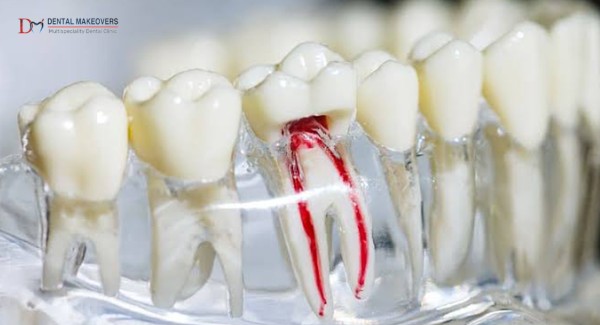
A root canal is a dental procedure used to treat infection or inflammation inside a tooth. Every tooth has a soft inner area called the pulp. It contains nerves and blood vessels.
When deep decay, a crack, injury, or repeated dental treatment damages the pulp, bacteria can enter and cause an infection. This can lead to severe pain, swelling, sensitivity, or even an abscess.
The goal of the Best Root Canal Treatment in Indore is not simply to remove the infected tissue. The main goal is to clean the infected area, seal the tooth, and preserve your natural tooth as much as possible.
Why Do You Need a Root Canal?
One of the most common problems patients face is delaying treatment because they are afraid of dental procedures. However, delaying an infected tooth can allow the infection to spread.
You may need root canal treatment if you experience:
- Severe or continuous toothache, especially while biting or chewing
- Long-lasting sensitivity to hot or cold
- Swelling or tenderness around the tooth
- A damaged, cracked, or darkened tooth
- Repeated pain in the same tooth
- A pimple or drainage near the gums
A dentist will examine your tooth and may recommend an X-ray to understand the condition of the roots and surrounding bone. Based on the diagnosis, the dentist can decide whether root canal treatment is appropriate.
Best Root Canal Treatment in Indore: Step-by-Step Procedure
Many patients feel nervous because they do not know what actually happens during a root canal. Understanding the process can make you feel more relaxed.
1. Examination and Diagnosis
First, the dentist checks the painful tooth and asks about your symptoms. An X-ray may be taken to identify the infection and understand the shape of the root canals.
This step is important because proper diagnosis helps the dentist plan the Best Root Canal Treatment in Indore according to your individual tooth condition.
2. Local Anaesthesia
Before treatment begins, local anaesthesia is given around the tooth. This numbs the area and helps make the procedure comfortable.
Modern dental techniques and proper anaesthesia have made root canal treatment much easier for most patients than they expect.
3. Cleaning the Infected Pulp
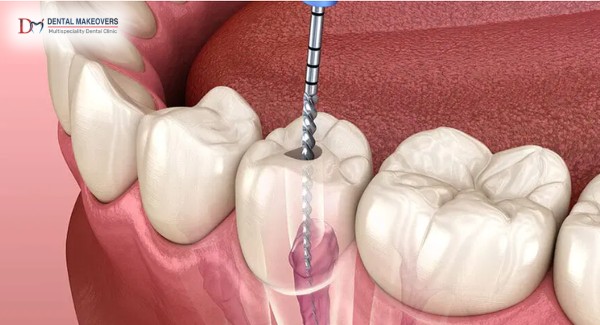
A small opening is made in the tooth to reach the infected pulp. The damaged tissue and bacteria are carefully removed from inside the tooth.
The root canals are then cleaned and shaped so they can be properly sealed.
4. Filling and Sealing
After cleaning, the empty canals are filled with a special dental material. The tooth is then sealed to reduce the chances of bacteria entering again.
This is an important part of the Best Root Canal Treatment in Indore because proper cleaning and sealing help support the long-term health of the treated tooth.
5. Dental Crown
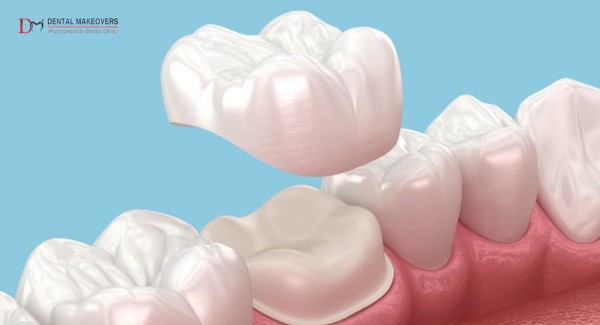
After a root canal, the tooth may become weaker, especially when a large amount of tooth structure has been lost due to decay. A dental crown may therefore be recommended to protect the tooth from further damage.
Your dentist will decide whether a crown is needed based on the condition and location of the tooth.
Benefits of Root Canal Treatment
The biggest advantage of root canal treatment is that it can help save your natural tooth instead of removing it.
With the Best Root Canal Treatment in Indore, patients may experience several benefits:
- Helps remove infection from inside the tooth
- Relieves pain caused by infected pulp
- Helps preserve the natural tooth
- Allows you to chew more comfortably
- Reduces the risk of infection spreading
- Supports better long-term oral function
- Can restore the appearance and function of the damaged tooth
Saving a natural tooth can also help maintain the normal alignment of nearby teeth.
Root Canal Recovery: What Should You Expect?
Many people worry about recovery after root canal treatment. In most cases, you can return to your normal routine fairly quickly, depending on the complexity of the treatment.
Some mild tenderness or sensitivity may occur for a few days. This can happen because the tissues around the treated tooth may remain slightly irritated after the procedure.
Following the dentist’s instructions after the Best Root Canal Treatment in Indore can help make your recovery smoother.
Try to avoid chewing very hard foods with the treated tooth until your dentist recommends that it is safe. If a temporary filling has been placed, take extra care not to put excessive pressure on it.
If a crown has been advised, do not delay getting it placed. A properly restored tooth gets better protection against fractures and further damage.
Root Canal Problem to Solution
A common situation is simple: tooth pain → ignoring it → infection becomes worse → treatment becomes more complicated.
The better approach is: early symptoms → dental examination → correct diagnosis → timely root canal treatment → proper restoration and aftercare.
If you notice repeated pain or sensitivity, do not wait until the pain becomes unbearable. Getting checked early can help identify the problem before it progresses.
The Best Root Canal Treatment in Indore should always begin with a proper diagnosis rather than treating pain alone.
How to Choose the Best Root Canal Treatment in Indore?
When looking for the Best Root Canal Treatment in Indore, do not choose a clinic only because of advertisements or price. Consider whether the dentist properly examines your tooth, explains the treatment, follows appropriate infection-control practices, and provides a clear treatment plan.
You should also feel comfortable asking questions about the procedure, expected recovery, restoration options, and follow-up care.
A good root canal treatment is about more than simply stopping tooth pain. It is about treating the infection and protecting the tooth for the future.
When Should You Visit a Dentist?
Do not wait for severe pain before visiting a dentist. Tooth decay can sometimes progress without obvious symptoms, while an infection may suddenly cause swelling or intense pain.
If you have persistent toothache, sensitivity, swelling, or pain while chewing, schedule a dental examination.
The earlier the problem is diagnosed, the easier it may be to plan the right treatment. For people searching for the Best Root Canal Treatment in Indore, the first step should always be a professional examination.
Final Thoughts
A root canal does not have to be something you fear. With modern dental techniques, proper diagnosis, and appropriate care, the treatment can help save an infected or badly damaged natural tooth.
The Best Root Canal Treatment in Indore focuses on removing infection, relieving discomfort, preserving the natural tooth, and restoring its function.
If you are experiencing tooth pain, sensitivity, swelling, or discomfort while chewing, do not keep ignoring the symptoms. A timely dental consultation can help you understand the real cause of the problem and choose the right solution for your tooth.
FAQs
1. Is root canal treatment painful?
Root canal treatment is performed under local anaesthesia, which helps keep the procedure comfortable. Some mild tenderness may occur after treatment and usually settles as the area heals.
2. How long does a root canal take?
Treatment time depends on the tooth, the number of canals, the severity of infection, and other factors. Your dentist can give you a more accurate estimate after examination.
3. Do I need a crown after a root canal?
A crown is often recommended for teeth that have lost significant structure, particularly back teeth. Your dentist will determine whether a crown is suitable for your tooth.
4. How long does it take to recover after a root canal?
Many patients return to their normal activities quickly. Mild sensitivity or tenderness can remain for a few days. Follow your dentist’s aftercare instructions for a smoother recovery.
5. Can a root canal save my natural tooth?
Yes. One of the main purposes of root canal treatment is to remove infection while preserving the natural tooth whenever possible. After treatment, the tooth can be restored to help bring back its function.
6. What happens if I delay root canal treatment?
If an infected tooth is left untreated, the infection can become more severe and may affect the surrounding tissues. In some cases, the tooth may become difficult to save. Early dental evaluation is therefore important.
7. How can I prevent needing a root canal?
Regular dental check-ups, good brushing and flossing habits, limiting frequent sugary foods and drinks, and treating cavities early can help reduce the risk of deep tooth infection.