A small cavity may not seem like a serious problem at first. You might not feel pain, so you may think there is no need to visit a dentist. However, tooth decay can slowly damage your tooth even when you do not notice any symptoms.
Ignoring a cavity can lead to tooth sensitivity, severe toothache, infection, and even tooth loss. The good news is that early treatment can help prevent these problems and save your natural tooth.
If you are looking for the Best dental clinic in Indore, understanding the stages of tooth decay can help you recognise when it is time to seek professional dental care.
What Is a Tooth Cavity?
A tooth cavity is a damaged area in the tooth caused by tooth decay. It develops when bacteria in your mouth produce acids that weaken the tooth enamel. Frequent consumption of sugary foods, poor oral hygiene, and irregular dental check-ups can increase the risk of cavities.
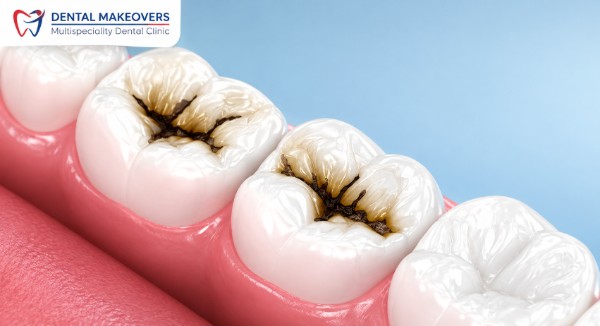
In the beginning, a cavity may appear as a white or brown spot on the tooth. As the damage progresses, a small hole may develop. Without proper treatment, decay can move deeper into the tooth and affect the inner tissues.
A dentist can examine your teeth and recommend suitable treatment according to the extent of the damage.
What Happens If You Ignore a Tooth Cavity?
Ignoring a cavity does not make it disappear. Instead, the decay may gradually spread and require more complex treatment. Here are the common stages of tooth decay.
1. Early Enamel Damage
The outer layer of your tooth is called enamel. It protects the inner parts of the tooth from daily wear, bacteria, and acids.
During the early stage of decay, minerals begin to leave the enamel. You may notice a white spot on the tooth, but there may be no pain.
At this stage, a dentist may recommend fluoride treatment, better brushing habits, and changes to your diet. Early enamel damage may sometimes be reversed before a hole forms.
Regular check-ups at the Best dental clinic in Indore can help identify these early changes before they become more serious.
2. A Small Hole Develops in the Tooth
If enamel damage continues, the tooth may develop a cavity. You might notice a brown or black spot, a small hole, or food getting stuck in a particular area.
Some cavities cause no discomfort, while others may lead to sensitivity when eating sweets or drinking something hot or cold.
Once a hole has formed, the damaged tooth structure generally cannot grow back naturally. A dental filling may be needed to remove the decayed portion and restore the tooth.
Getting treatment early can help prevent further damage and reduce the need for more extensive procedures.
3. Tooth Sensitivity and Pain Begin
As decay moves deeper into the tooth, it can affect the dentin, which lies beneath the enamel. Dentin is more sensitive and can cause discomfort when exposed to temperature changes or certain foods.
You may experience:
- Pain while eating sweet foods.
- Sensitivity to hot or cold drinks.
- Discomfort when chewing.
- Food getting trapped in the cavity.
These symptoms should not be ignored, even if the pain comes and goes. A dental examination can help determine how far the decay has progressed.

4. The Inner Pulp Becomes Infected
Under the dentin is the pulp, which contains nerves and blood vessels. If bacteria reach this area, inflammation or infection may develop.
You may experience persistent toothache, throbbing pain, pain that disturbs your sleep, or increased sensitivity. In some cases, the pain may temporarily disappear if the nerve becomes damaged, but this does not necessarily mean the tooth has healed.
Depending on the condition of the tooth, root canal treatment may be recommended to remove infected tissue and preserve the remaining tooth structure.
If you notice these symptoms, contact a dentist promptly instead of relying only on painkillers or home remedies.
5. Dental Abscess and Tooth Loss
When a tooth infection spreads beyond the pulp, it can form a dental abscess. This is a pocket of pus caused by infection and may lead to severe pain, gum swelling, a bad taste in the mouth, or fever.
An untreated infection can damage the tissues around the tooth and may spread to nearby areas. If the tooth is too damaged to restore, extraction may become necessary.
Severe swelling, fever with dental pain, or difficulty opening your mouth requires urgent dental assessment. Difficulty breathing or swallowing, or rapidly spreading swelling, requires emergency medical care.
Timely treatment at the best dental clinic in Indore can help reduce the risk of complications and protect your oral health.
Common Signs That You May Have a Tooth Cavity
Cavities do not always cause pain in their early stages. Knowing the warning signs can help you seek treatment sooner.
Watch for these changes:
- White, brown, or black spots on your teeth.
- Sensitivity to hot, cold, or sweet foods.
- Pain while biting or chewing.
- Food frequently getting stuck in one area.
- A visible hole or rough surface on a tooth.
- Persistent toothache or gum swelling near a damaged tooth.
These symptoms do not always mean you have a cavity, as other dental conditions can cause similar problems. A dental examination is the best way to identify the cause.
What Are the Treatment Options for a Tooth Cavity?
The right treatment depends on how much of the tooth has been damaged.
Fluoride Treatment
When decay is limited to early enamel changes and no hole has formed, fluoride treatment may help strengthen the enamel and support remineralisation.
Your dentist may also recommend fluoride toothpaste and changes to your daily oral care routine.
Dental Filling
If a cavity has formed but the damage has not reached the pulp, the dentist usually removes the decayed portion and fills the space with a suitable dental material.
A filling helps restore the tooth’s shape and function while preventing the existing cavity from becoming larger.
Root Canal Treatment
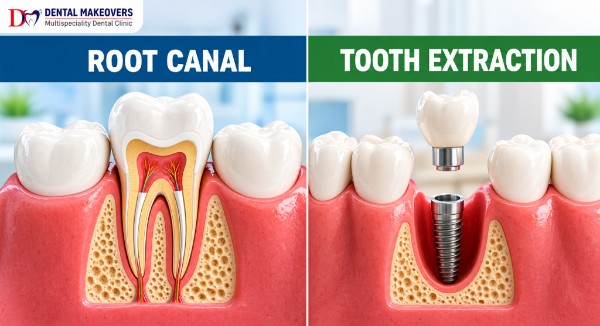
If decay reaches the pulp and causes irreversible inflammation or infection, root canal treatment may be required. The dentist removes the affected pulp, cleans the inside of the tooth, and seals it.
A crown may be recommended afterward, depending on how much healthy tooth structure remains.
Tooth Extraction
If the tooth is severely damaged and cannot be restored, extraction may be the most appropriate option. Your dentist can discuss suitable replacement options, such as a dental implant, bridge, or denture, if needed.
The goal is always to preserve your natural tooth when it can be treated predictably.
How Can You Prevent Tooth Cavities?
Good daily habits can lower your risk of tooth decay and help keep your teeth healthy.
Brush twice daily with fluoride toothpaste and clean between your teeth using dental floss or another suitable interdental cleaner. Limit frequent sugary snacks and drinks, and drink water regularly.
Avoid brushing too hard, and do not ignore sensitivity or visible changes in your teeth. Schedule regular dental check-ups based on your dentist’s advice, as cavities can develop without noticeable pain.
Children and adults may both develop cavities, so preventive dental care is important at every age.
When Should You Visit a Dentist?
You should arrange a dental appointment if you notice a visible hole, tooth sensitivity, food getting trapped repeatedly, or pain while chewing. Do not wait for severe pain before seeking an examination.
If you have persistent toothache, pus, facial swelling, or fever associated with a tooth problem, seek urgent dental care. Difficulty breathing or swallowing requires emergency medical attention.
Choosing the Best dental clinic in Indore means looking for qualified dental professionals, appropriate diagnostic facilities, clear treatment explanations, and a focus on preventive care as well as treatment.
Conclusion
A tooth cavity may start as a small spot, but ignoring it can allow decay to reach the deeper parts of your tooth. What could initially be managed with preventive care or a filling may later require root canal treatment or extraction.
The best way to protect your teeth is to recognise early warning signs, maintain good oral hygiene, and schedule regular dental check-ups.
If you are concerned about tooth decay, Dental Makeovers can help you understand your dental condition and the treatment options appropriate for your needs. Early attention can help protect your natural teeth and support a healthier smile.
Frequently Asked Questions (FAQs)
1. What happens if you leave a tooth cavity untreated?
An untreated cavity can grow deeper, cause sensitivity and toothache, damage the tooth pulp, and lead to infection or tooth loss. Early assessment can help prevent complications.
2. Can a tooth cavity heal on its own?
Early enamel demineralisation may sometimes be reversed with fluoride and improved oral care. However, once a physical hole has formed, the damaged tooth structure generally cannot repair itself and may need a filling or other treatment.
3. How do I know if my cavity needs a root canal?
Persistent toothache, pain that occurs spontaneously, prolonged sensitivity, or signs of infection may indicate pulp damage. Only a dental examination and appropriate tests can determine whether root canal treatment is needed.
4. Can a cavity get worse even if it does not hurt?
Yes. Tooth decay can progress without causing pain, particularly in its early stages. Regular dental examinations help identify problems before symptoms become severe.
5. How can I find the best dental clinic in Indore for cavity treatment?
Look for a clinic with qualified dental professionals, appropriate diagnostic facilities, clear explanations of treatment options, and good preventive care practices. A consultation can help you understand the condition of your tooth and the treatment it requires.